
NSW strata regulations are designed to support the smooth functioning of strata schemes. Whether you're an owner, resident, or tenant in a strata-titled property like an apartment or townhouse, understanding the ins and outs of strata management can help you get the most out of your property and avoid unnecessary disputes or costs. These schemes operate as small democratic communities, each self-managed for efficiency and fairness.
Rules for Living in Strata
How to Change your Strata Management
Strata Resources
Government and Legal Resources
Fire Compliance in Strata
Complaints Handling Process
Handy Resources
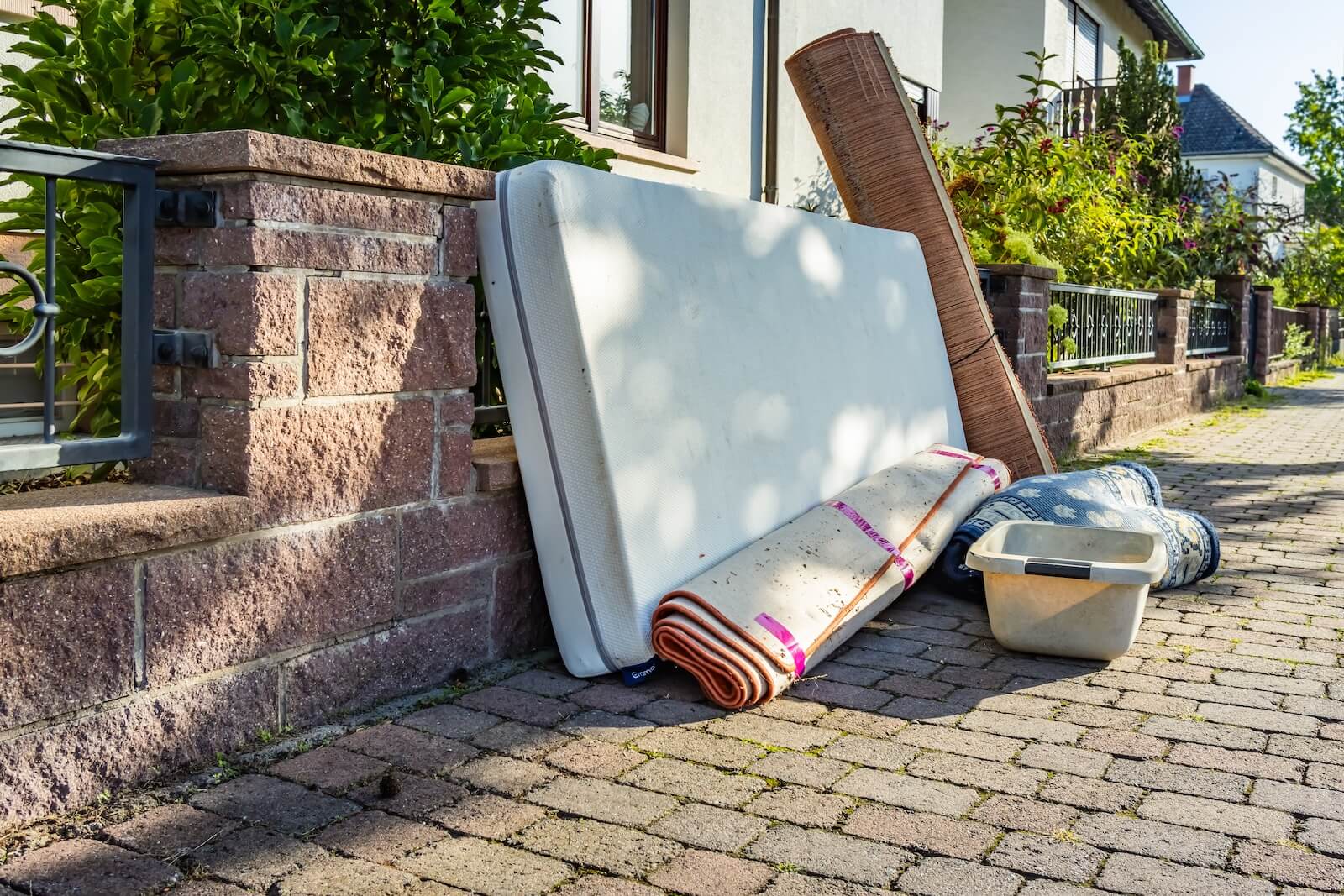
Unattended or abandoned items left on common property can create safety hazards and affect the appearance of shared spaces. The strata committee—or their delegate, such as the strata or building manager—has the authority to identify, manage, and arrange the removal of these items. They could include furniture, personal belongings, or goods left behind by former residents or non-residents. Items are typically held for a set period, based on their assessed value, before they’re disposed of or donated. If you notice something that appears abandoned, don’t move it yourself—contact your strata manager or committee so it can be logged and dealt with appropriately.

By-laws are the rules that all residents in a strata scheme must follow. They must:
Copies of by-laws can be obtained from the owners corporation, strata manager, or real estate agent. Tenants should request them from their landlord or agent. Failure to comply may result in penalties through the Tribunal.

Everyone deserves to enjoy their home, and that includes a bit of downtime, but we ask you to be respectful of your neighbours.
Noise regulations can vary depending on your building’s by-laws and local council rules, but excessive noise is usually covered in by-laws. Try speaking directly with the resident causing the issue. If that doesn’t resolve it, reach out to your strata committee or manager. Mediation services may be used for ongoing issues.

To keep things running smoothly, residents must use their designated parking spaces, and visitor spots are just that—strictly for guests. Emergency vehicle access zones must always be kept clear for safety reasons. If you’re expecting more visitors than there are available spaces, or if you have more vehicles than your lot allows, we encourage the use of nearby street parking where permitted.
Parking by-laws are in place to ensure fairness and safety, and repeated breaches may lead to action from the owners corporation. If you’re unsure where you can park, check your building’s parking plan or speak with your strata manager.

Pets can be a wonderful part of community life, but it’s important to follow the correct process. Owners corporations can’t impose a blanket ban on pets—they can only restrict those that cause serious disruption, nuisance, or risk to others. They may only prohibit pets that cause significant disruption or risk. Most schemes require pet applications to be submitted and approved before bringing an animal into the building.
All pets must also be registered with strata for transparency and safety.
Owners and tenants must check their scheme’s rules, and tenants also need landlord approval. Assistance animals are protected by law and cannot be refused. try speaking directly with the pet owner first—often a quick chat can resolve things. If not, your strata committee or manager can help manage the next steps.
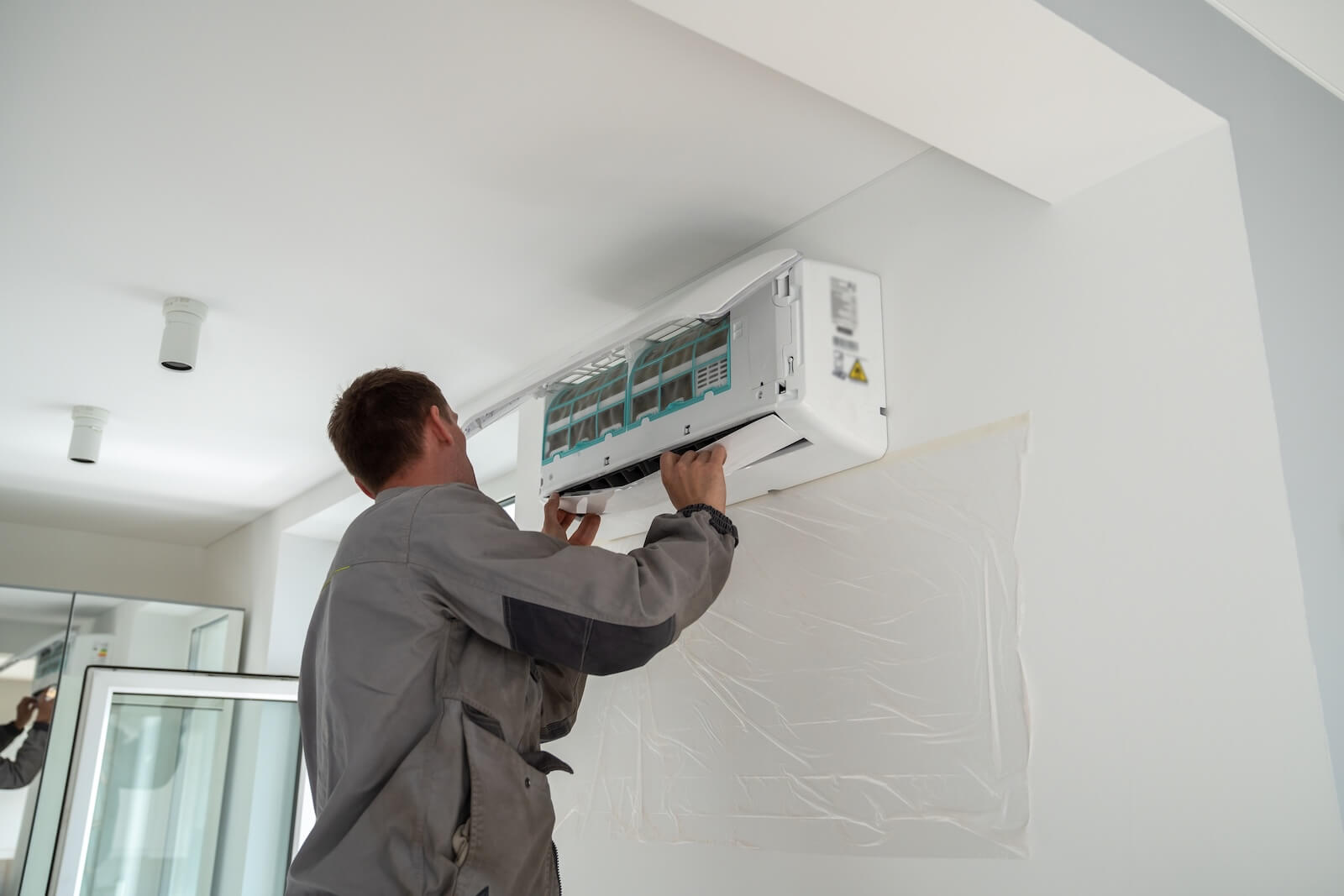
In general, the owners corporation looks after common property – like hallways, roofs, and shared plumbing – while individual lot owners are responsible for the upkeep inside their own units. In emergencies, the owners corporation may issue urgent levies payable within 14 days.
If you notice a problem with common property, report it to your strata manager or committee. Tenants should notify their landlord or agent, who can raise it through the appropriate channels.
If you're planning maintenance to your lot, be sure to check what approvals you may need in advance—some works require written consent from the strata committee.
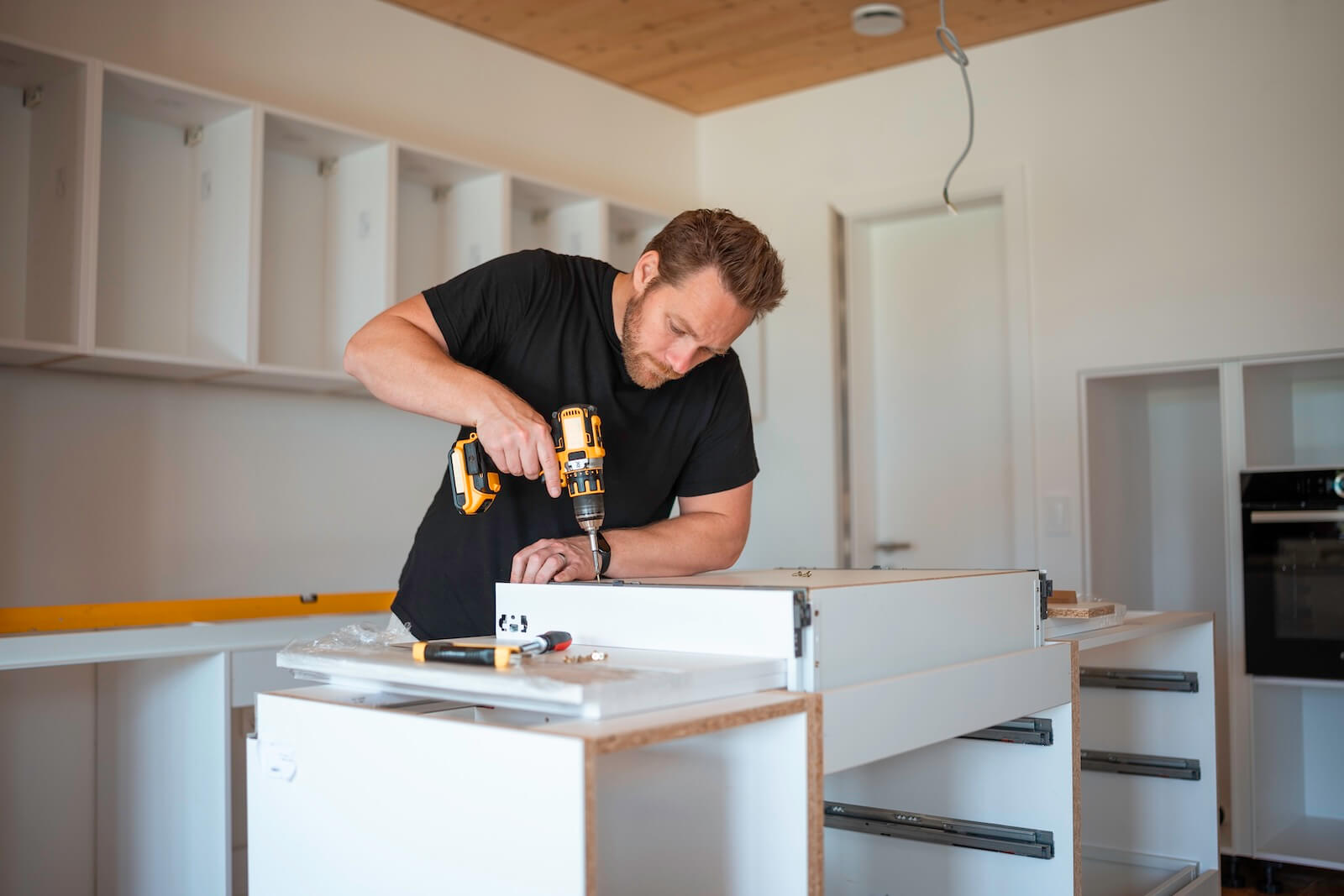
Planning to make changes to your unit? It's important to understand what requires approval before you start. Any renovation that affects structural elements, waterproofing, walls, ceilings, or shared services generally needs written approval from the owners corporation.
These works often fall under “major renovations” and may also require a formal general meeting vote. Cosmetic changes—like painting, replacing carpet, or hanging shelves—usually don’t need approval, but it’s still wise to double-check your scheme’s by-laws.
Starting unauthorised work can lead to penalties or orders to reinstate the property. To avoid surprises or delays, speak with your strata manager first and review the NSW Government’s strata living guidelines for more detailed information.
For more information, visit the NSW Government’s strata living page.
Assess your current strata manager’s performance. Review your contract terms, particularly notice periods or termination clauses.
Hold an AGM or EGM to vote on switching strata managers. We can assist with meeting notices, agendas, and documentation.
Once the vote passes, we’ll help onboard your scheme, transferring records, closing out accounts, and managing the administrative changeover.
We’ll finalise your profile, introduce your dedicated strata manager, and provide a welcome pack. You’ll be kept up to date throughout the process.
Committee members play a key role in the scheme’s governance. While voluntary, the role carries legal responsibilities under the Strata Schemes Management Act 2015 and related regulations. We support all committee members with training, guidance, and practical tools to confidently manage their responsibilities.
Common property includes:
These spaces are jointly owned and managed by the owners corporation.
A go-to source for strata rules, complaints, property rights, and dispute resolution.
Visit websiteAn excellent publicly available resource covering a wide range of common questions and issues in strata.
Visit website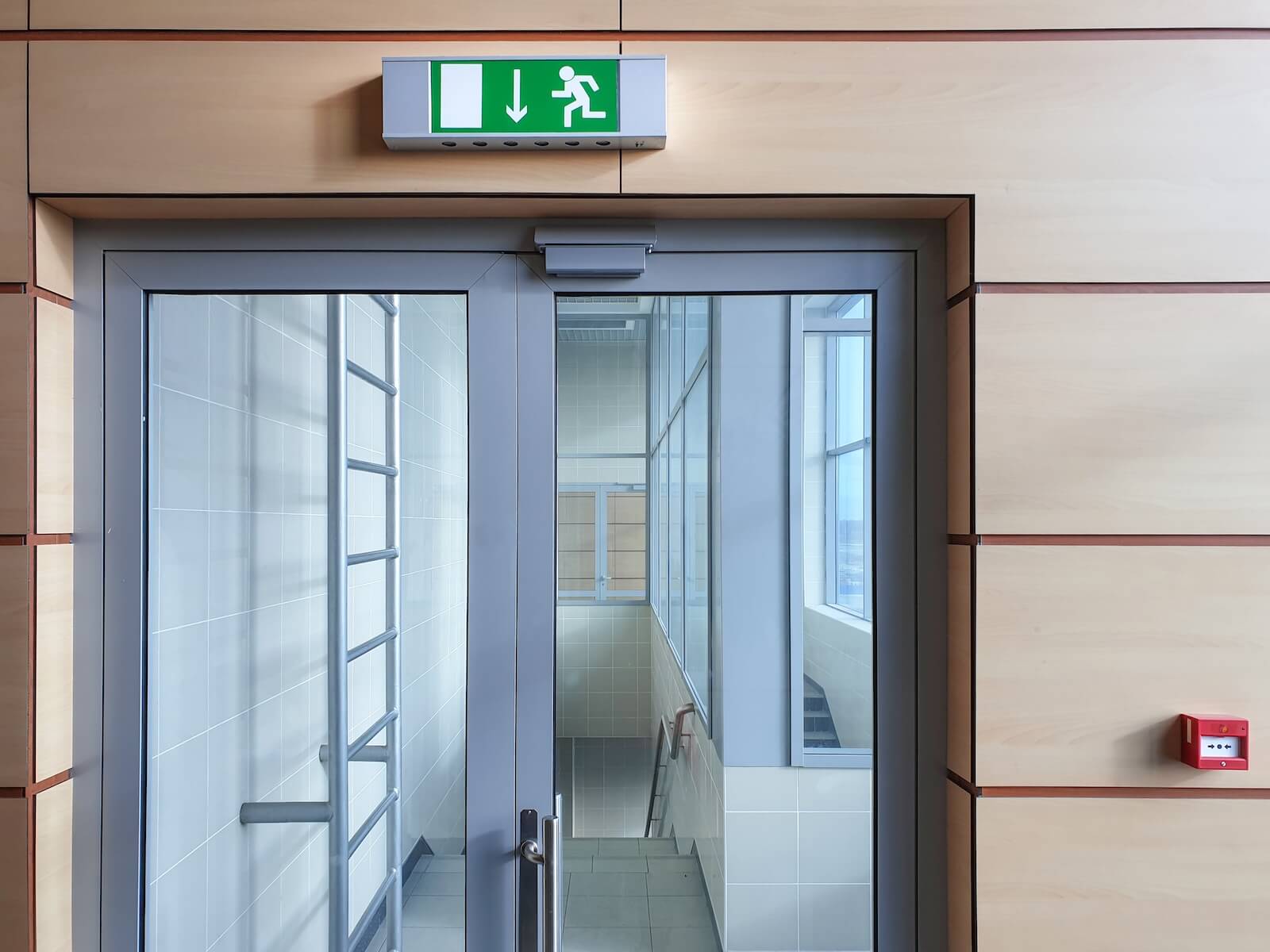
Compliance with fire regulations is mandatory. Fire safety systems must be designed during construction, certified at completion, and maintained annually.
Key responsibilities:
Read Part 9 of the EP&A Regulations
Visit the Building Code of Australia
We welcome feedback and are committed to resolving complaints professionally and promptly.
Ways to lodge a complaint:
Resolution process:
If unresolved, complaints can be escalated to the Strata Community Association (NSW) or NSW Fair Trading.
Professional Standards
Strata Revolution is a proud member of SCA (NSW)—the peak body for strata professionals. Backed by the NSW Government’s Professional Standards Scheme (in effect since July 1, 2021), our team adheres to a national Code of Ethics and practices under formal oversight from Professional Standards Australia.
All communication with clients, residents, and stakeholders is guided by Strata Revolution’s Communication Code of Conduct, which ensures interactions are respectful, transparent, and aligned with our commitment to professionalism and service excellence. Click here to download.

Phone: (02) 8459 7361
PO: PO Box 3047, Allambie Heights
Office: 69/42-46 Wattle Rd, Brookvale NSW 2100
Website: www.stratarevolution.com
Email: info@stratarevolution.com.au
ABOUT: Strata Revolution is a Sydney based strata management company, driven by results and committed to enhancing your strata community through proactive strategies, and smart issue resolution.